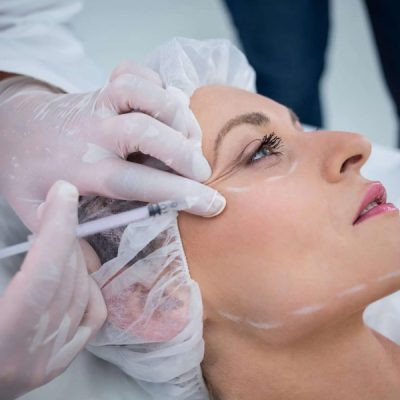



Addressing acne scarring effectively requires a targeted approach, moving beyond superficial skincare to procedures that induce deep dermal remodelling. The choice of laser treatment for acne scars is crucial, as different technologies target varying scar depths and types, ranging from shallow boxcar scars to deeper icepick and rolling scars. Patients in Singapore have access to several advanced, energy-based treatments designed to stimulate new collagen production. Knowing the mechanisms and recovery profiles of popular options like RF Microneedling and Fractional CO2 Laser in Singapore is essential for making an informed decision tailored to individual skin needs and downtime tolerances.
Ablative Resurfacing: Fractional CO2 Laser in Singapore
The Fractional CO2 Laser in Singapore is considered one of the most powerful treatments for significant textural correction, particularly for treating deep boxcar and rolling acne scars. This ablative technology uses carbon dioxide energy to create microscopic channels or columns of injury in the skin. The laser essentially vaporises columns of tissue, forcing the surrounding intact skin to initiate a robust wound-healing response. This intense heat penetration stimulates substantial new collagen and elastin production, leading to notable tightening and smoothing of the scar tissue.
Fractional CO2 Laser offers dramatic results, often requiring fewer sessions compared to non-ablative treatments. However, this effectiveness comes with a corresponding increase in downtime. Patients should anticipate a recovery period of approximately five to seven days, involving redness, swelling, and visible microscabs (or MENDS, microscopic epidermal necrotic debris), which require careful post-care adherence to prevent complications such as hyperpigmentation.
Non-Ablative Energy: RF Microneedling in Singapore
RF Microneedling in Singapore (Radiofrequency Microneedling) offers a different approach to scar remodelling by focusing on energy delivery beneath the skin’s surface without causing widespread ablation of the epidermis. This treatment combines the physical action of traditional microneedling with the therapeutic heat of radiofrequency energy. The insulated needles penetrate the skin to a specific depth, then release RF energy into the dermis, heating the deeper tissues to stimulate collagen production directly at the base of the scar.
This method is highly effective for improving skin firmness, texture, and the appearance of rolling scars, particularly in patients concerned about extensive downtime. Since the surface layer of the skin (epidermis) remains largely intact, the recovery period for RF Microneedling is significantly shorter than with ablative lasers, often lasting only two to three days of redness and swelling. It is generally safer for a wider range of skin types, including those with darker skin tones, who face a higher risk of post-inflammatory hyperpigmentation from traditional lasers.
Combining Therapies for Optimal Results
For patients presenting with mixed types of acne scars, a combination therapy approach often yields the best results. An RF Microneedling might be ideal for addressing overall textural improvement and general tightening, while localised, higher-energy treatments (such as subcision or focused Fractional CO2 Laser pulses) can target deep, isolated scars. Your medical practitioner determines the most effective protocol based on a thorough examination of the scar depth and overall skin condition.
Choosing the appropriate laser treatment for acne scars is ultimately a decision balancing desired outcome against permissible downtime. A medical clinic with a diverse array of technologies can offer a truly customised solution. For example, at Healthsprings Laser and Aesthetic Clinic, doctors often combine various modalities to achieve multi-layered skin remodelling.
Choosing Your Scar Treatment: 5 Key Factors
- Scar Type – Deeper, textural scars often require more aggressive treatments like Fractional CO2 Laser.
- Downtime Tolerance – Patients requiring fast recovery should consider RF Microneedling (2–3 days).
- Skin Tone – Darker skin tones generally favour RF Microneedling to minimise hyperpigmentation risk.
- Cost and Sessions – Ablative treatments may require fewer sessions but involve longer recovery; RF Microneedling requires more sessions but less downtime per visit.
- Practitioner Expertise – The skill and technology available at the clinic heavily influence the outcome and safety.
Conclusion
Selecting the appropriate laser treatment for acne scars involves understanding the mechanism of action of different energy sources. Whether opting for the intensive resurfacing of Fractional CO2 Laser in Singapore or the sub-surface remodelling of RF Microneedling in Singapore, careful consultation ensures the chosen therapy effectively targets the specific scar type while accommodating your lifestyle and skin profile.
Contact Healthsprings Laser and Aesthetic Clinic today for a consultation on the ideal laser treatment for acne scars for you.