


Key Highlights
- Western medicine often targets specific symptoms and pathogens, whereas TCM focuses on holistic balance and Qi regulation.
- Western medicine relies on tests and imaging, while TCM focuses on pulse reading and tongue analysis.
- Western treatment often uses drugs or surgery, whereas TCM emphasises acupuncture and herbal therapies to support self-healing.
- Western medicine excels in acute crisis management, while TCM emphasises long-term wellness and disease prevention.
Introduction
Navigating the healthcare landscape in Singapore offers a unique privilege. You stand at the intersection of cutting-edge Western biomedical science and centuries-old Eastern wisdom. It is not merely a choice between a hospital and a clinic; it is a choice between two profoundly different ways of viewing the human body.
Many patients eventually find themselves seeking TCM acupuncture in Singapore after exhausting other avenues or simply because they crave a more holistic touch. Understanding the divergence between these two systems is crucial for making informed decisions about your health. It is not about one being superior to the other. It is about understanding which tool fits the job at hand.
1. The Philosophy: War on Disease vs. Cultivating Balance
Western medicine generally views the body as a machine. When a part breaks, you fix it. When an invader enters, you attack it. The approach is often reductionist, isolating the specific organ or system causing the trouble. If you have a headache, the immediate goal is to stop the pain in the head.
Traditional Chinese medicine (TCM) takes a wider stance. It views the body as an integrated ecosystem.
The philosophy hinges on the concept of Qi (vital energy) flowing through meridians. Illness arises when this flow is disrupted or when the balance between Yin and Yang is lost. A TCM practitioner does not just look at the head when treating a headache; they look at the liver, the digestion, and the stress levels. They treat the root imbalance, believing that once harmony is restored, the symptom will vanish naturally.
2. Diagnostic Methods: Technology vs. Observation
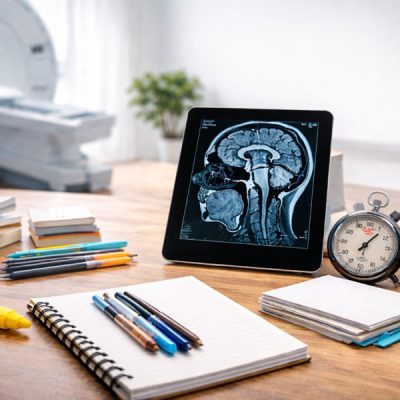
Walk into a Western clinic, and you expect technology. Diagnosis is quantitative. It relies on numbers: blood pressure readings, white blood cell counts, MRI scans and X-rays. It is objective and evidence-based in a way that allows for standardised protocols.
TCM diagnosis is arguably more of an art form. It relies on qualitative observation. The practitioner becomes the diagnostic instrument. They will check your pulse—not just for rate, but for quality, depth, and rhythm. They will examine your tongue for colour, coating, and shape. They ask about your sleep, your appetite, and even your emotional state.
This difference is often why patients seek out TCM in Toa Payoh or other residential hubs. They are looking for a practitioner who listens to the story of their health rather than just reading a chart of statistics. It is a personalised investigation into your specific constitution.
3. Treatment Modalities: Intervention vs. Stimulation
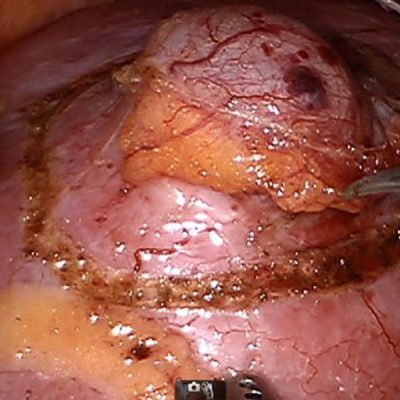
The toolbox of a Western doctor is potent. Pharmaceuticals are designed to alter chemical pathways chemically. Surgery physically removes or repairs damaged tissue. These interventions are external forces applied to the body to force a change. It is incredibly effective for acute trauma, infections, and emergencies.
TCM therapies act differently. Acupuncture does not force the body; it suggests. By inserting fine needles into specific acupoints, the practitioner signals the body to release its own pain-relieving endorphins and anti-inflammatory cells. It stimulates the body’s innate healing capability.
Consider the rising popularity of TCM acupuncture in Singapore. It is not because patients reject modern science. It is because they want to avoid the potential side effects of long-term medication use for chronic conditions like back pain, migraines, or fertility issues. They want to nudge the body back to health, not force it.
4. The End Goal: Acute Management vs. Preventive Wellness
Western medicine is the undisputed champion of crisis management. If you suffer a heart attack or a broken bone, you need a hospital. Its strength lies in saving lives in critical moments. However, it can sometimes be reactive, waiting for a disease to manifest clinically before treating it.
TCM shines in the “sub-health” stage. You might feel unwell—fatigued, sluggish, slightly off-balance—but your blood tests come back normal. A Western doctor might send you home with a clean bill of health. A TCM practitioner, however, sees these signs as early warnings of an imbalance.
Many residents visiting clinics for TCM in Toa Payoh are not there because they are critically ill. They are there to stay well. They use acupuncture and herbal medicine to strengthen their immune system and maintain vitality before illness strikes. It acts as a maintenance service for the body, rather than a repair shop.
Conclusion
Your health is not a binary choice. It is a journey toward feeling your absolute best. Whether you are battling chronic pain, seeking to boost your immunity, or simply want to experience a time-honoured approach to wellness, the right treatment is waiting for you.
Book your appointment with Liang Yi TCM today and take the first step towards a healthier, more balanced you.