


Cancer treatment can feel overwhelming, especially when patients and families encounter unfamiliar medical terms. In recent years, proton therapy in Singapore has gained attention as an option for certain cancer types. This form of radiation uses protons to deliver energy to tumours while aiming to reduce exposure to surrounding tissues. Knowing how it works and who may benefit can help patients have clearer conversations with their care team. Individuals can seek a radiation oncologist in Singapore for advice on whether proton therapy is appropriate for their condition.
How Proton Therapy Works in a Treatment Setting
Proton therapy uses charged particles instead of traditional X-rays, and these protons behave differently as they move through the body. They release most of their energy at a controlled point, known as the Bragg peak. This characteristic allows specialists to focus the radiation dose more precisely on the tumour. Because the energy drops sharply after the target point, surrounding tissues may receive less exposure compared to conventional radiation.
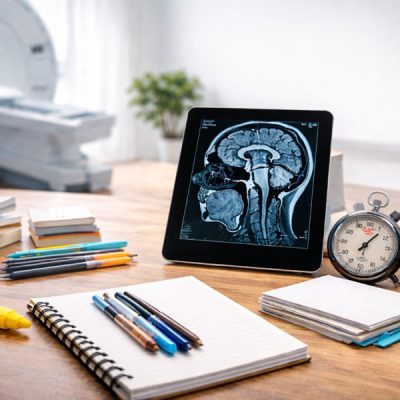
A radiation oncologist in Singapore guides the entire process. Before any treatment begins, the medical team carries out imaging and planning sessions to map the tumour’s exact location and shape. Proton therapy machines then deliver radiation according to this customised plan. Treatment sessions typically feel similar to traditional radiotherapy, painless and completed within minutes, though the planning stage may be more detailed due to the precision required.
Comparing Proton Therapy With Conventional Radiation
Both proton therapy and conventional radiation aim to damage cancer cells and prevent them from growing, and the key difference lies in how the energy is distributed. X-rays pass through the body and deliver radiation along their entire path, which may affect tissues before and after reaching the tumour. Protons, on the other hand, slow down as they travel and release their energy mainly at a specific depth.
This difference can be meaningful in certain areas. Proton therapy in Singapore is often considered when a tumour lies near sensitive organs, where reducing unnecessary exposure may help limit side effects. A radiation oncologist in Singapore evaluates these situations carefully. Proton therapy is not automatically better for every case; rather, it suits certain tumour types and locations where precision plays a larger role in planning treatment.
Who May Benefit From Proton Therapy
Not all cancers require proton therapy, but several patient groups may find it beneficial depending on medical assessment. For example, children sometimes receive proton therapy because their developing tissues are more sensitive to radiation. Reducing unnecessary exposure may support long-term health outcomes.
Adults with tumours in areas such as the brain, spine, head and neck, or near the heart may also be evaluated for proton therapy. These regions contain vital structures that perform essential functions. A radiation oncologist in Singapore determines whether proton therapy’s ability to limit radiation spillover makes it an ideal option. In some cases, patients who have previously undergone radiation may also be considered if additional precision is necessary.
How Patients Decide on Proton Therapy With Their Doctor
Choosing any cancer treatment requires careful conversation. Proton therapy in Singapore is one part of a broader range of treatment options, which may include surgery, chemotherapy, immunotherapy, or conventional radiation. A patient’s medical history, tumour type, stage, and overall health all influence whether proton therapy fits into the recommended plan.
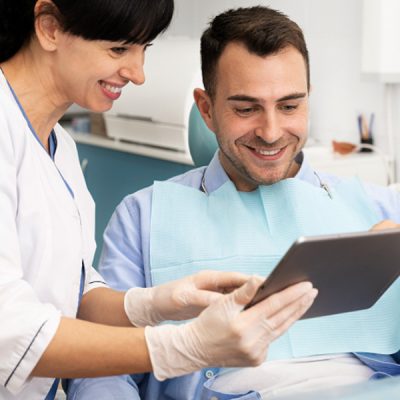
Doctors, such as Dr Johann Tang, work closely with patients to explain benefits, limitations, and expectations. Patients may also discuss practical considerations such as treatment duration, side-effect management, and follow-up care. These conversations help individuals understand how proton therapy supports their treatment journey, if chosen.
Conclusion
Proton therapy in Singapore offers a targeted approach that may help certain patients manage cancer treatment more effectively. It works by directing proton energy precisely at tumours while aiming to reduce exposure to nearby tissues. A radiation oncologist in Singapore provides essential guidance by assessing which patients may benefit and how proton therapy fits into the overall treatment plan. With the appropriate information, patients and families can make decisions with greater clarity.
Learn more about whether proton therapy may be suitable for your treatment plan. Contact Dr Johann Tang for guidance tailored to your condition.